In 2025, the electric loader market continued to surge, with sales exceeding the 10,000-unit mark in the first five months alone. This figure not only set a new industry record but also marked a historic leap of the loader market from the fuel era to the electric era. As growth in the traditional fuel loader market stalls, why have electric loaders risen so dramatically? And how will they reshape the industry's competitive landscape in the future?
I. Surging Sales Reshape the Market Landscape
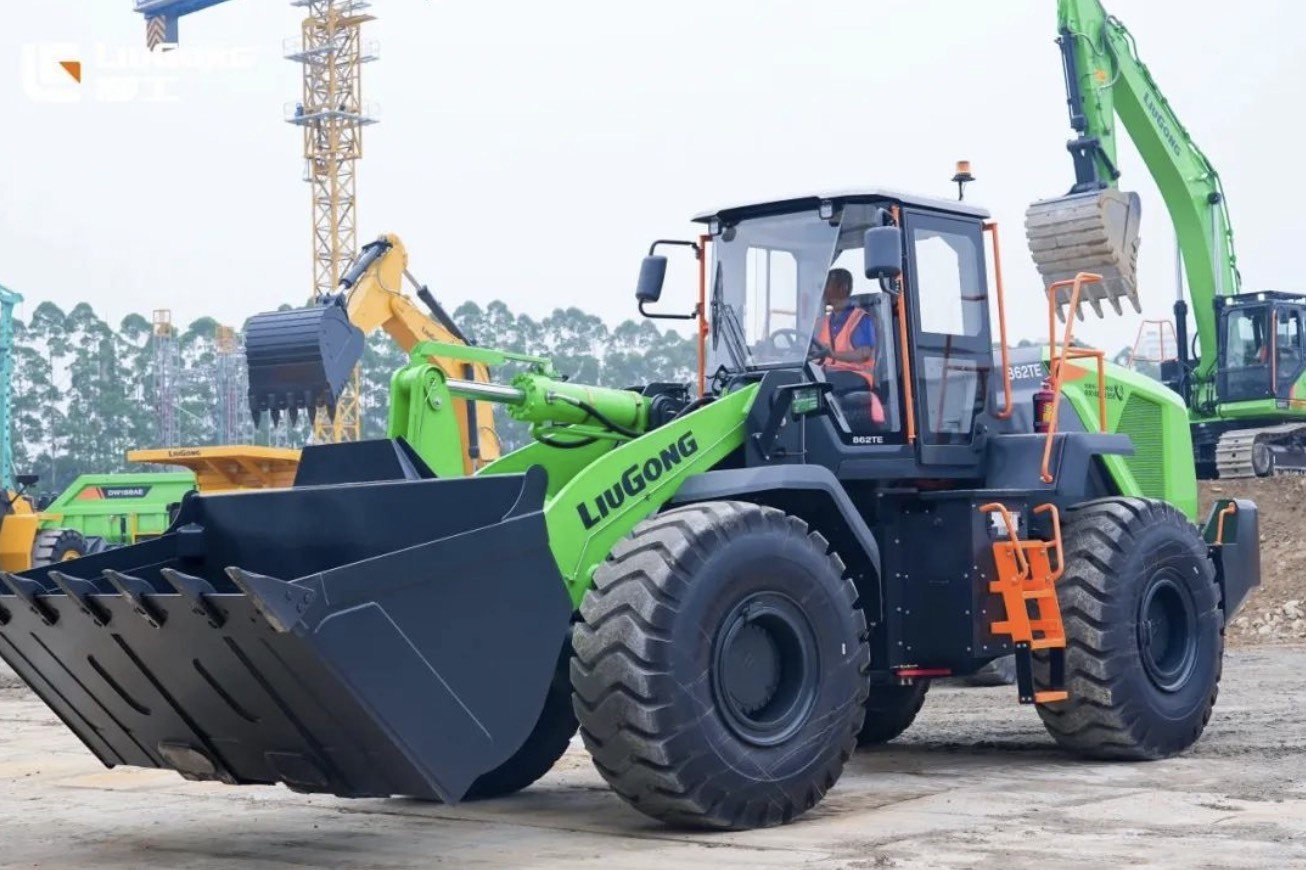
In 2025, electric loader sales have continued to climb, reaching 2,765 units in May, a year-on-year surge of 121%. In the first five months of this year, electric loader sales have grown by more than 100% year on year every month, maintaining a rapid growth trajectory. From January to May, cumulative electric loader sales totaled 10,904 units, up 179% year on year, with a penetration rate of 20.67%. This reflects the continued rapid penetration of electric loaders in the construction machinery sector.
Compared with the same periods in the previous two years, sales from January to May 2023 were only 806 units, rising to 3,544 units in January-May 2024, and achieving leapfrog growth in 2025. The penetration rate also rose from 1.68% in the same period of 2023 and 7.67% in the same period of 2024 to over 20% in 2025.
In terms of sales structure, 5-ton and 6-ton models remain mainstream. In May, 5-ton models sold 1,756 units, accounting for 63.5% of total electric loader sales; 6-ton models sold 798 units, accounting for 28.9%.
In terms of market share, traditional loader sales have grown slowly or even declined slightly, while electric loaders have risen strongly, with penetration rates climbing rapidly in mining, ports, mixing plants and other fields. In some regions such as Tangshan and Handan in Hebei, electric loader penetration has reached around 60%, gradually changing the established landscape of the loader market.
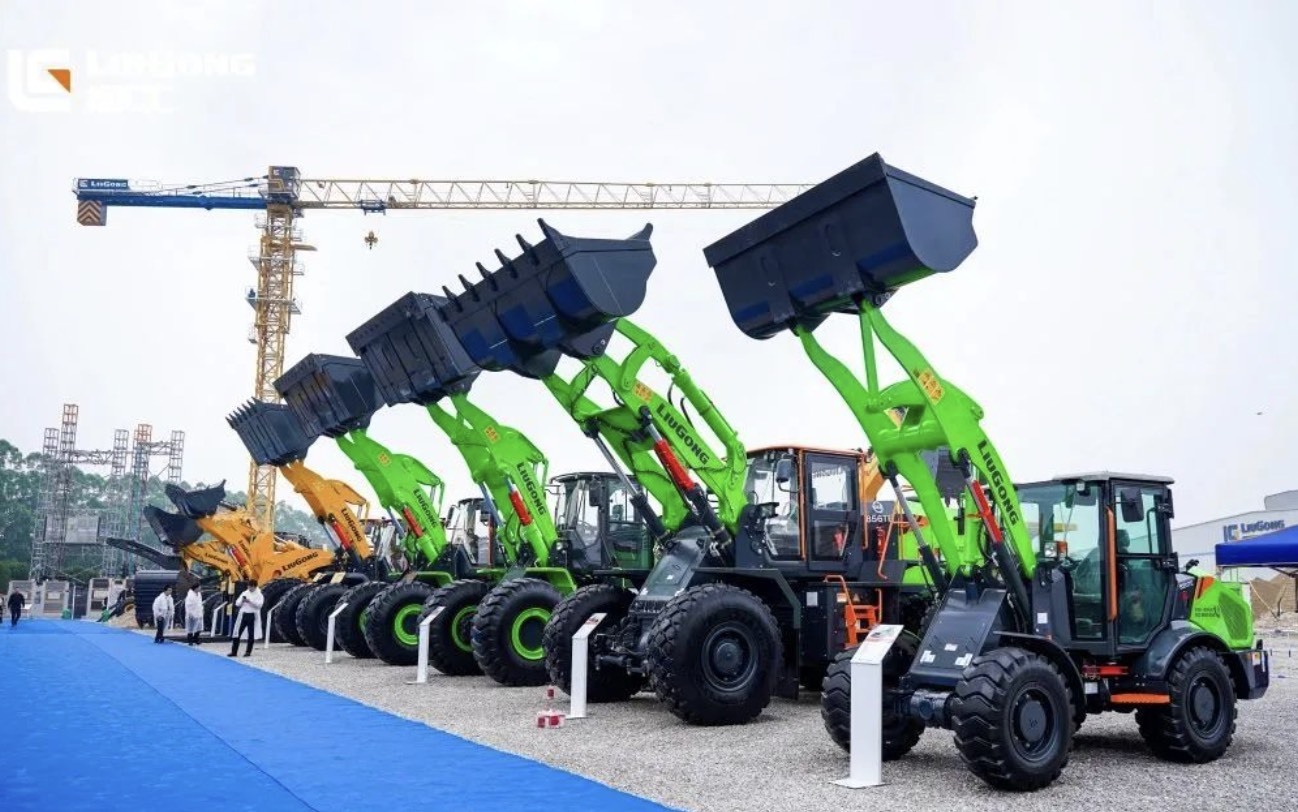
At present, the electric loader market presents a diversified competitive landscape. Traditional construction machinery giants occupy an important position in the market by virtue of deep technical accumulation, extensive sales channels and solid brand reputation. Companies such as XCMG, LiuGong and LGMG not only have mature electric loader product lines but are also continuously increasing R&D investment to launch more competitive new products. Some emerging electric loader companies are also quickly making their mark with unique technological advantages and innovative business models. They usually focus on a specific segment of the electric loader market and gain market share through technological innovation and differentiated competition.
As technology continues to mature and market demand is further unleashed, electric loaders are expected to occupy a larger share of the future construction machinery market and become an important force driving industry development.
II. Multiple Drivers Behind Sales Growth
The explosive growth of the electric loader market in 2025 is mainly driven by the following factors.
Policy tailwinds: At the national level, the "dual carbon" goals are being vigorously pursued, and emission requirements for non-road mobile machinery are becoming increasingly strict. Local governments have rolled out policies to support the electrification of construction machinery. For example, driven by environmental protection and emission reduction policies, an enterprise in Qingtongxia, Ningxia, reported that local thermal power plants explicitly required in this year's tender documents that new energy loaders must account for more than 60%, leading to a concentrated release of demand for electric loaders.
In addition, guided by large-scale equipment renewal policies, the renewal demand from a stock of more than 900,000 loaders in the Chinese market will also bring huge potential to the electric loader market.
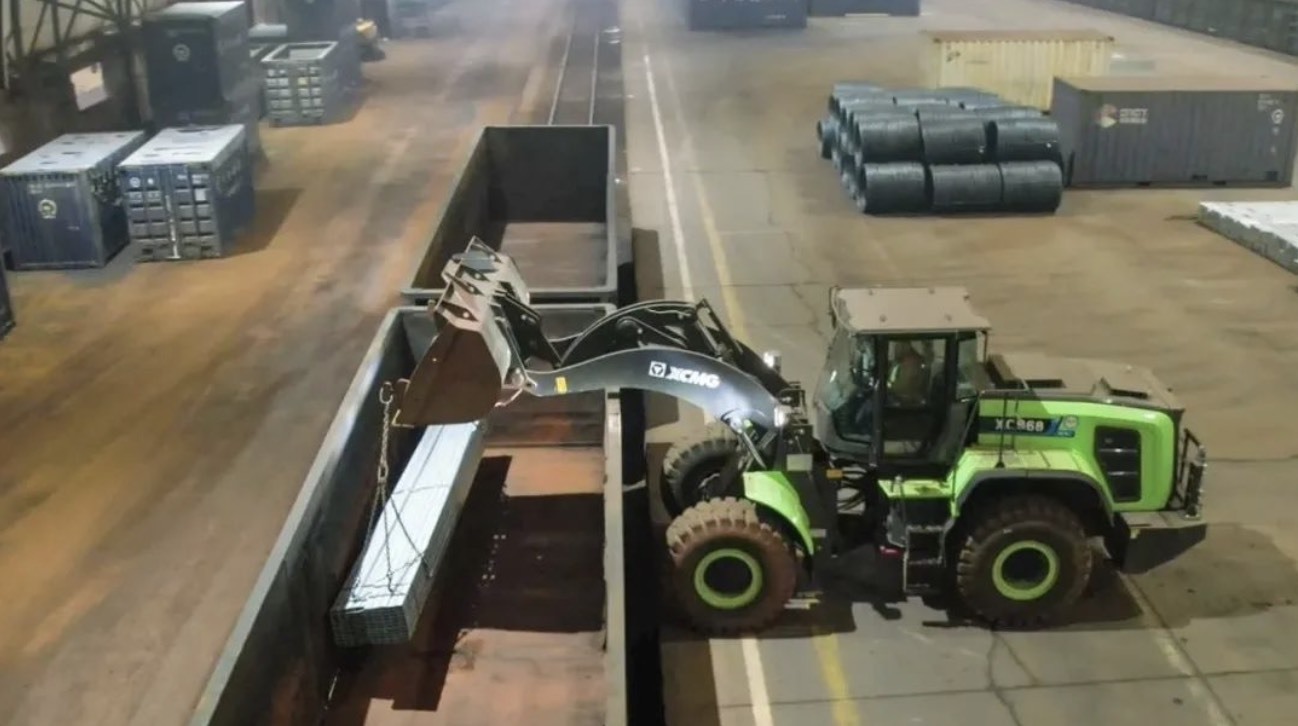
Better economics: Electric loaders offer obvious economic benefits, with total lifecycle costs 30%-50% lower than fuel models. Taking 5-ton products as an example, the five-year lifecycle cost of an electric loader can save more than one million yuan compared with a fuel loader, significantly boosting customers' willingness to purchase. Taking the JGM857E-Pro electric loader from Jingong New Energy as an example, calculated at 500 working hours per month, its annual carbon emission reduction can reach 240 tons and annual revenue increase can be as high as 561,000 yuan. Electric loaders have achieved a double leap in both economic and environmental benefits.
Technological innovation empowerment: For example, breakthroughs in battery technology have gradually lowered costs, from over 1,000 yuan/kWh to 600-700 yuan/kWh, driving down the cost of electric loaders. In addition, electric loaders are easier to integrate with intelligent systems such as autonomous driving, remote monitoring and energy recovery, improving operational management.
The growth momentum of the electric loader market is shifting from a single policy driver to multi-dimensional scenario penetration.

III. Industry Moving Forward with Clear Trends
At the current growth rate, the penetration rate of electric loaders is expected to reach the 25% target in 2025 or even approach 30%. This is mainly due to factors such as falling prices of lithium battery raw materials, stricter environmental requirements and breakthroughs in key technologies for electric loaders, which continue to raise the penetration rate of electric loaders.
However, despite the bright prospects, the development of electric loaders still faces many challenges. The following are the main factors currently affecting the electrification process of domestic loaders, which deserve industry attention.
First, market competition is becoming increasingly fierce. At present, more and more new and established players are entering the new energy loader track, and the number of electric loader manufacturers has increased to more than 30. In just two years, the blue ocean market for electric loaders has become a "red ocean," with product portfolios constantly enriched and companies engaging in all-round competition in price, performance and service.
At the same time, the electric loader market is showing a strong tendency to fall into a "price war." For example, the price of 5-ton electric loaders has dropped from a peak of more than 800,000 yuan to around 500,000 yuan today. This not only squeezes corporate profits but is also detrimental to the long-term development of the market. For instance, a certain new entrant company has seen "revenue growth without profit growth" for several consecutive years.
Second, the electric loader market is mired in homogeneous competition. At present, the homogenization of electric loaders is mainly reflected in the following aspects:
Highly convergent core components: The concentration of leading battery suppliers in the industry (such as CATL, EVE Power and FinDreams Battery) is extremely high, and mainstream electronic control system solutions are also highly similar. This results in small differences in power performance and range among most products.
Rigid overall design approach: Most products are still "oil-to-electric" conversions of diesel vehicles, lacking structural innovation based on the characteristics of electric platforms, with identical appearance, ergonomics and spatial layout.
Relatively single service model: At present, mainstream services in the industry remain within the traditional "three guarantees" scope of construction machinery—that is, the underlying logic of traditional fuel vehicle services has not changed—and there is a lack of value-added services for electrified equipment.
With severe homogenization and numerous competitors, users will simply buy from whoever is cheaper, and some manufacturers will begin to cut prices at the expense of reasonable profits.
The electric loader market has embarked on a new journey of rapid growth, with policies, economics and technology working together, offering unlimited future potential. But behind the opportunities, challenges also exist. Where will the market go? It deserves continued attention.
LGMG Makes a Strong Appearance at CSPI 2025 in Japan
下一篇Corporate News | China Chemical Geotechnical Engineering Opens a New Chapter in Low-Altitude Infrastructure Services

2026-09-28 1137 0
2026-09-24 10491 0

2026-09-23 10629 0
2026-09-22 10708 0

Lize City Air Terminal Underground Main Structure Nearing Completion: Maximum Transfer Walk Under 4 Minutes After Operation

Anti-seepage Curtain for Main Lock Pit of CSCEC Port Shenqiu Double-Line Lock Project Completed on Schedule

All Pile Foundations Completed on Quanzhou Baiqi Channel

Hainan Upgrades Housing and Municipal Infrastructure

First Foundation Concrete Pour Successfully Completed for Zambia Kafue West–Muzuma 330kV Transmission Line EPC Project
Hot News

评论 (0)