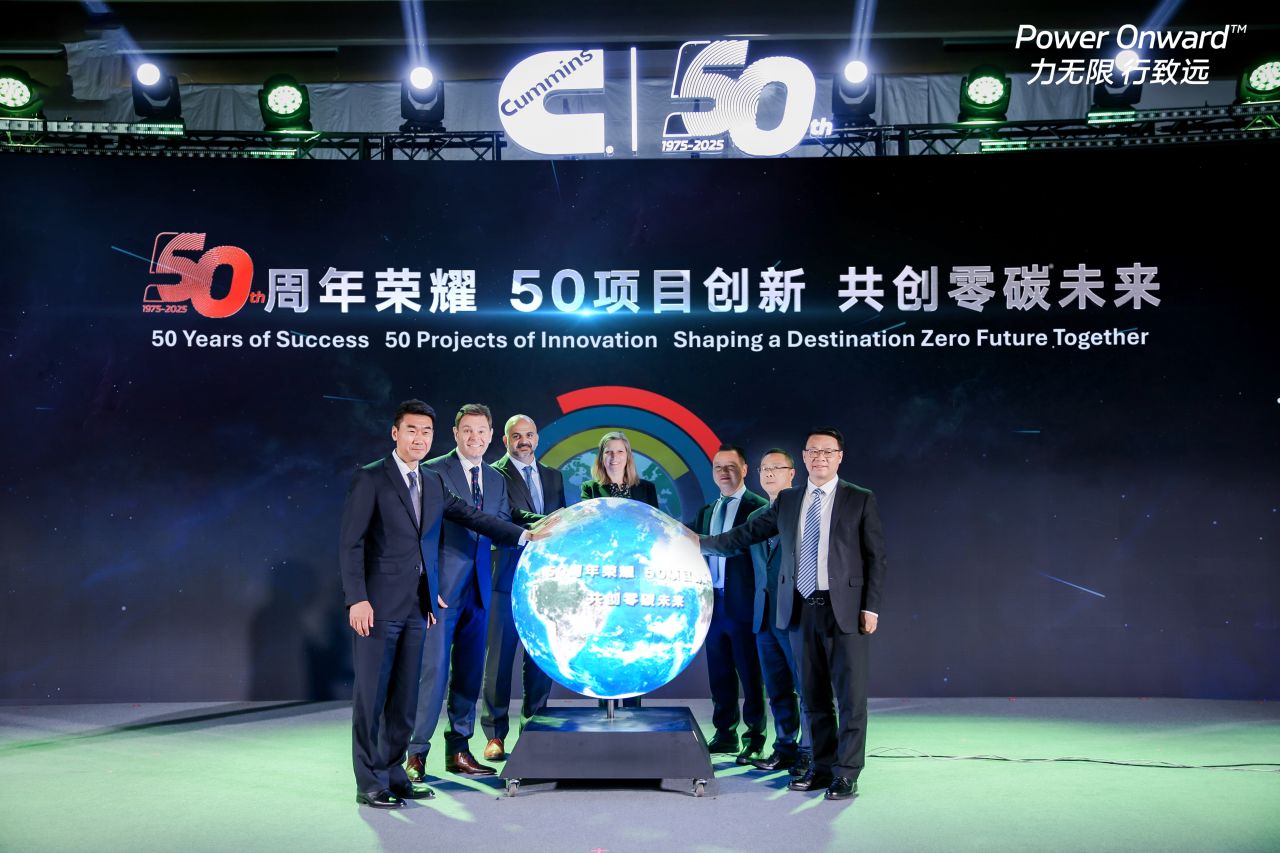
On March 25, 2025, Cummins officially released 50 action items focused on its zero-carbon strategy at its East Asia R&D Center in Wuhan, covering multiple areas including R&D, technological innovation, carbon reduction in production operations, and community cooperation. This demonstrates Cummins' determination and action to help Chinese customers achieve the "dual carbon" goals, and serves as a special tribute to Cummins' 50th anniversary in China.
Jennifer Rumsey, Chairman and CEO of Cummins; Nathan Stoner, Vice President of Cummins and Chairman of Cummins China; Fu Bingfeng, Executive Vice President and Secretary-General of the China Association of Automobile Manufacturers; Chen Mingjun, Party Secretary and Director of the Standing Committee of the Hannan District People's Congress; along with leaders from OEMs including Dongfeng Motor, BAIC Foton, Shacman, LiuGong, JAC, North Industries, XCMG, and Lingong, as well as end-customer representatives, jointly attended the event.
In the R&D field, Cummins will continue to advance the development of multi-fuel engine platforms in China, covering diesel, natural gas, hydrogen, and the exploration of low-carbon and zero-carbon fuels such as methanol, while continuously promoting the intelligentization of the multi-fuel platform powertrain to meet diverse application needs.
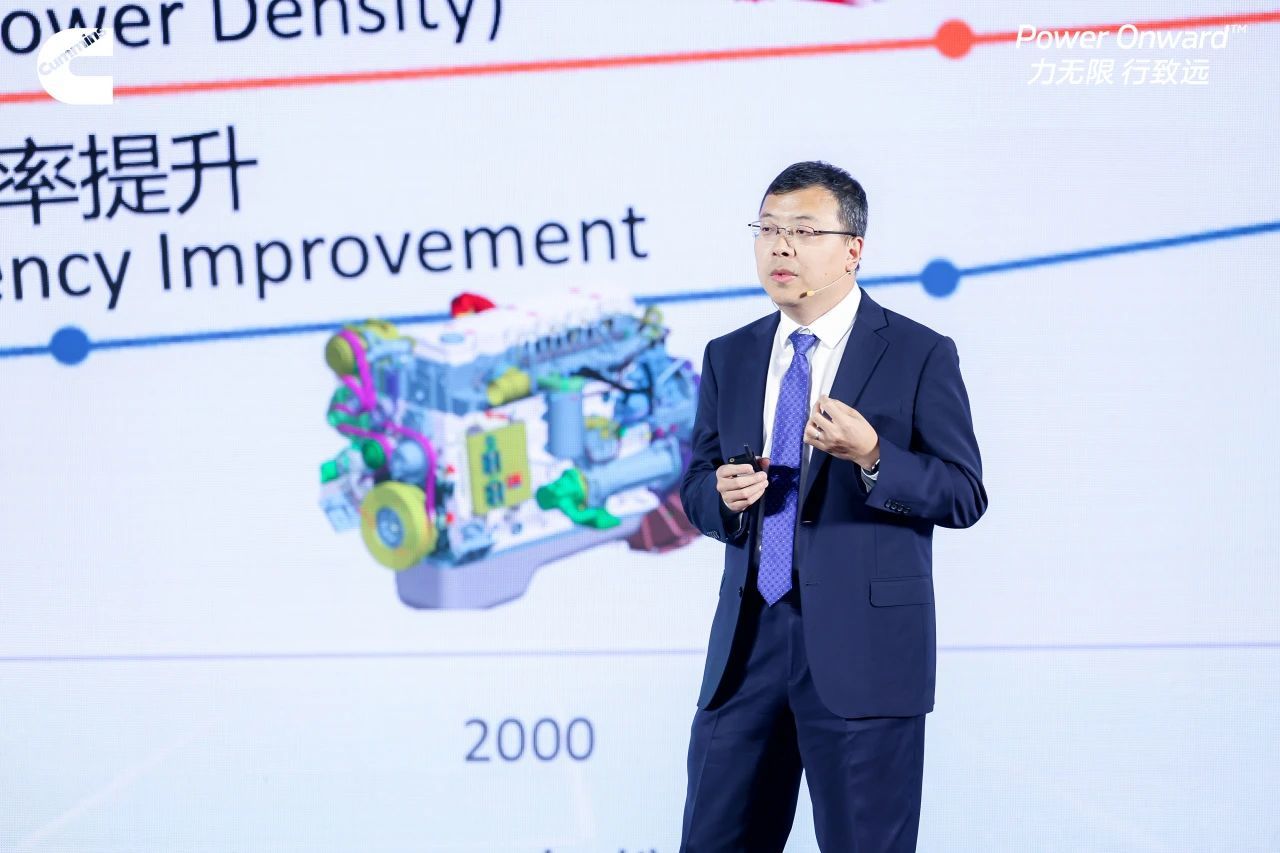
Suo Guotao, Chief Engineer of Cummins China Engine Business Unit
Cummins Accelera's new-generation high-pressure fuel cell products achieve higher stack power density and hydrogen safety through technological innovation, and deliver full-lifecycle performance improvements with characteristics such as long life, high efficiency, reliability, lightweight design, and digitalization. Meanwhile, the new-generation localized water electrolysis hydrogen production technology features higher current density and lower initial cost. Through high-efficiency electrolysis, large-scale hydrogen production, and the ability to couple with renewable energy, it provides safe, reliable, and clean hydrogen energy for the industrial, transportation, and energy sectors.
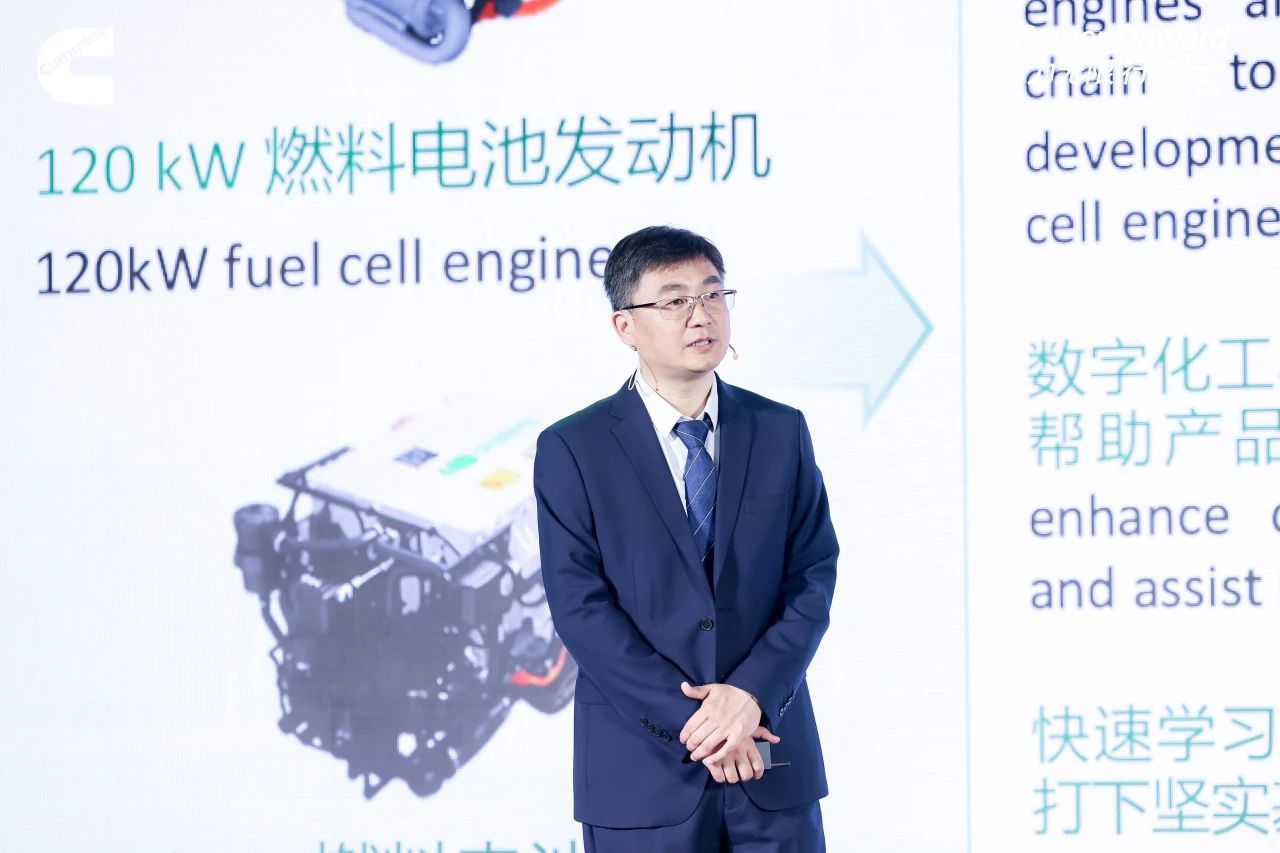
Ji Guangji, Chief Engineer of Cummins China Accelera
At the same time, Cummins is actively laying out key components for fuel cells and hydrogen internal combustion engines, such as hydrogen injectors, hydrogen fuel cell air compressors, electric turbochargers, 700Bar high-pressure hydrogen storage systems, and electrolyzer components. In addition, Cummins has launched multiple main-drive multi-in-one power electronics products, e-axles, and central drive motor solutions. The products integrate advanced electronic control technology and efficient electric drive solutions to help customers with their energy transition.
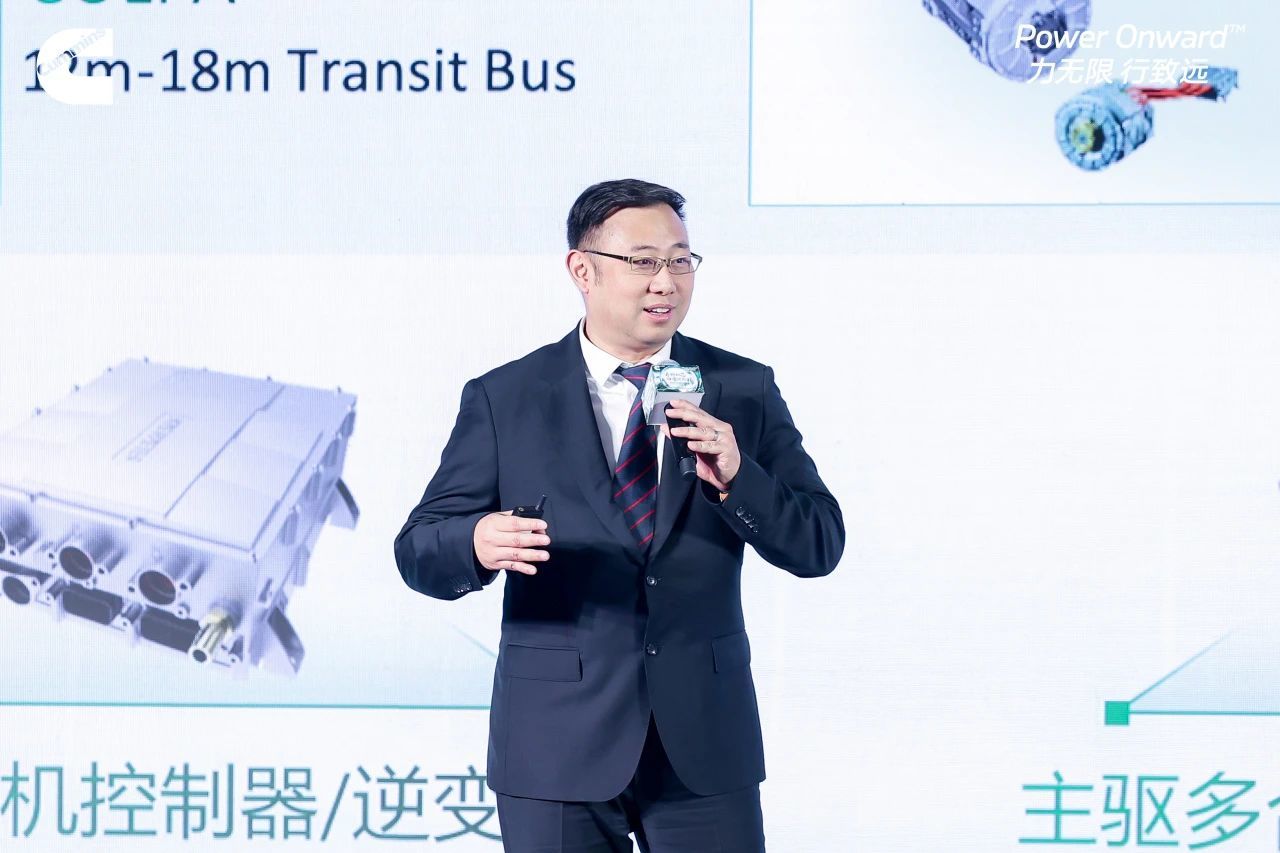
Cai Songli, Chief Engineer of Cummins China Components Business Unit
Through digital twin and AI-assisted design, Cummins achieves customized and precise engine development. Leveraging the Miaosuan big data algorithm, it performs real-time optimization of engines, and combines large models with traditional diagnostic tool service processes to let users experience expert services. At the same time, remote diagnostics provide intelligent services that replace repair with maintenance, effectively reducing service costs and empowering users to travel worry-free.
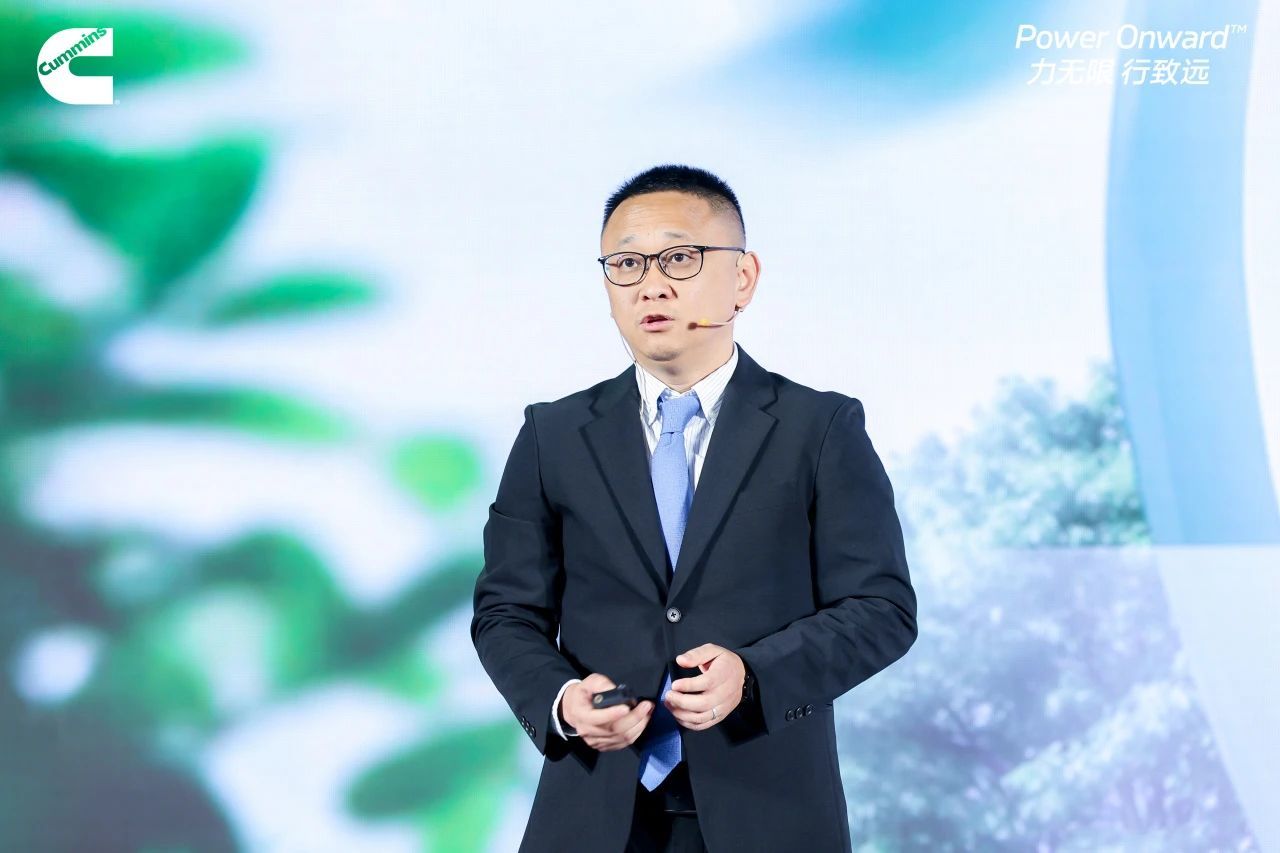
Hong Yun, General Manager of Digitalization at Cummins China
In the field of transitional technologies connecting the present and the future, Cummins' hybrid powertrain technology adopts different hybrid architectures such as P1, P2, and P4; the combination of traditional high-horsepower mining engines with electric technology significantly improves power performance and fuel efficiency, achieving approximately 20% fuel savings in operating projects; meanwhile, microgrid energy integrated management capabilities and localized energy storage technology are dedicated to enabling various application scenarios under off-grid and grid-connected conditions, helping the power generation, mining, oil, natural gas, and marine engine sectors improve the flexibility and reliability of energy systems.
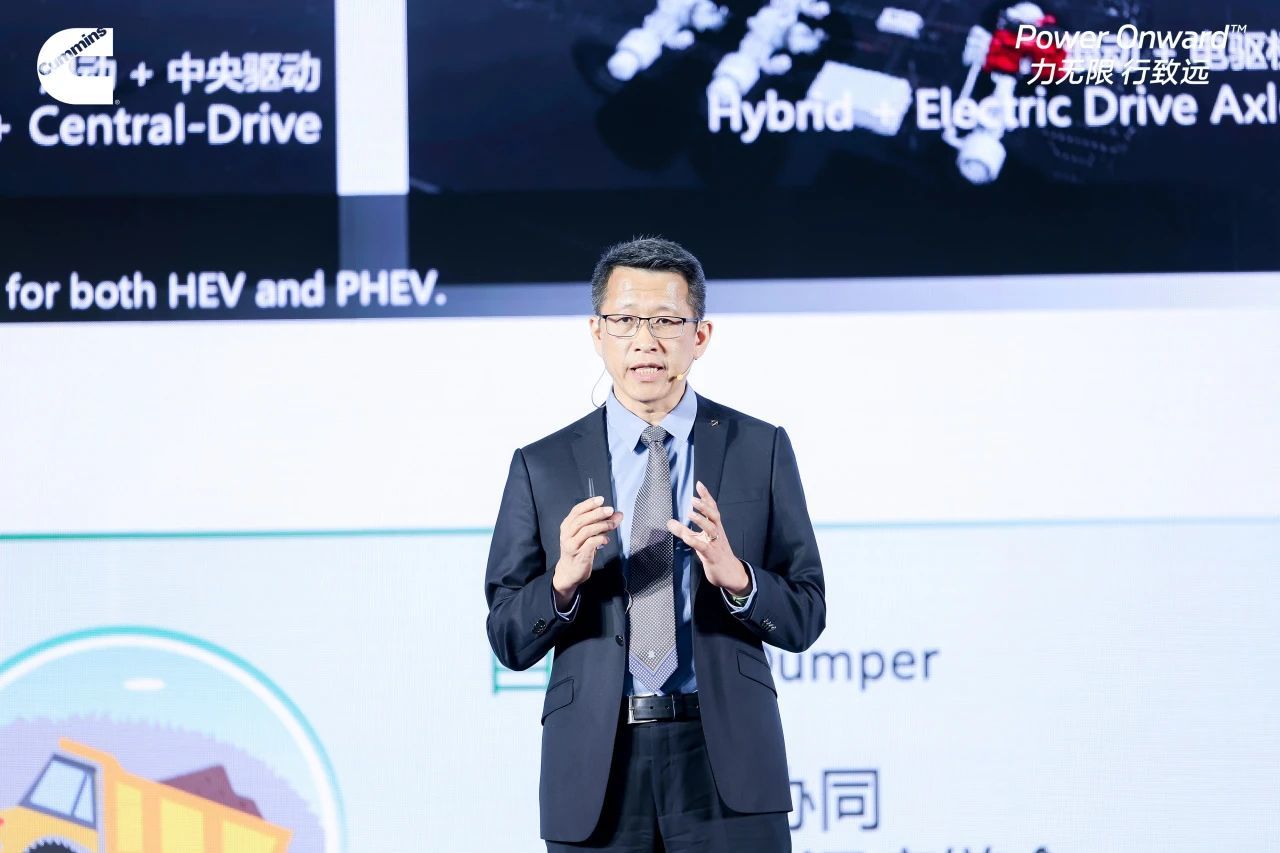
Wang Tao, Chief Engineer of Cummins China Power Systems Business Unit
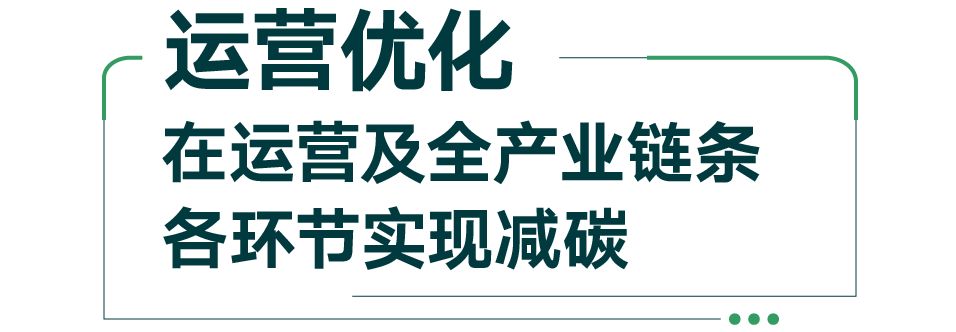
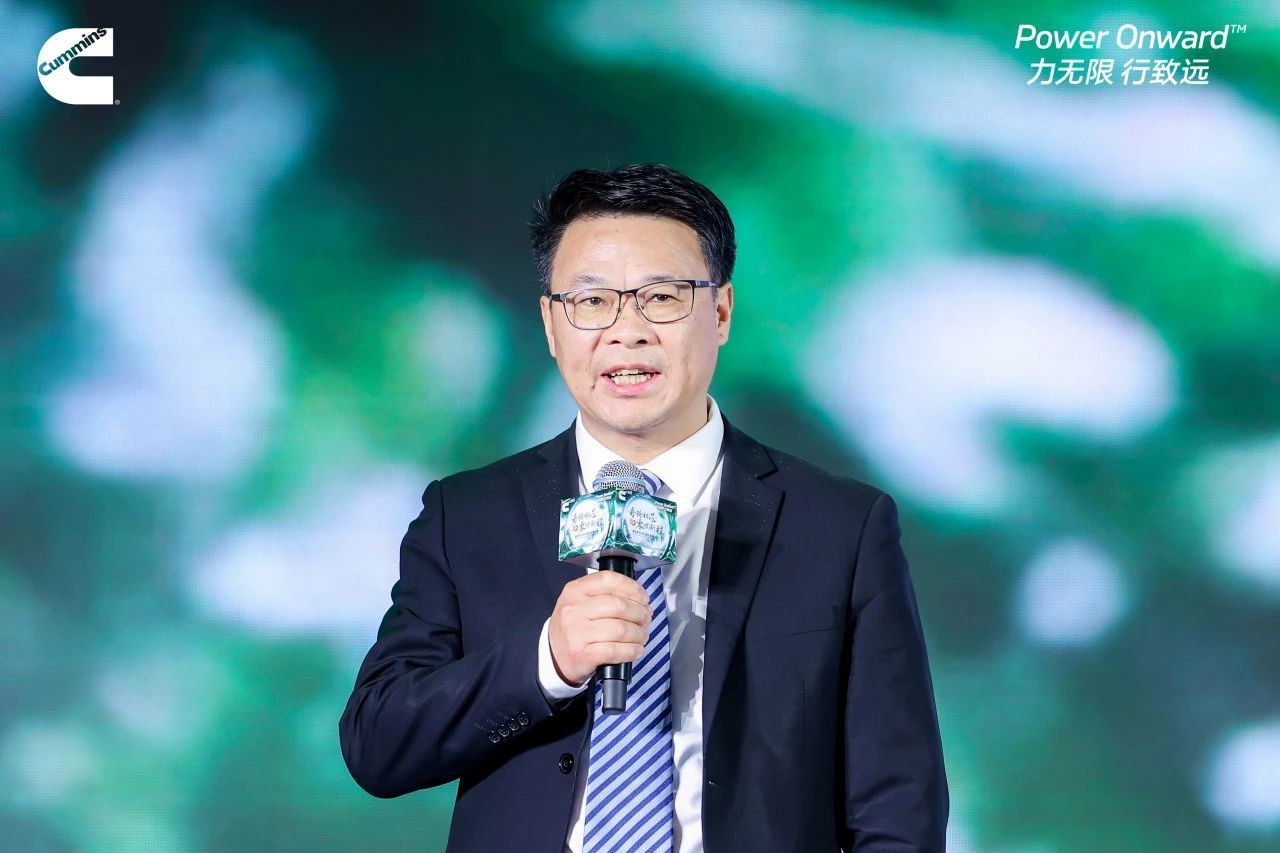
Chen Hua, Executive Director of Supply Chain, Quality, and Information Technology at Cummins China
In terms of reducing greenhouse gas emissions:
Through measures such as solar photovoltaic projects, optimization of test bench after-treatment devices, improvement of air compressor and process circulating water system efficiency, energy feedback from electric dynamometers, low-temperature cleaning of pretreatment systems, and air conditioning system optimization, significant emission reduction results have been achieved.
In terms of water conservation:
The company has effectively reduced water resource waste through intelligent management of process circulating water systems, rainwater reuse projects, and water leakage control projects.
In terms of waste reduction:
Cummins has implemented projects including wastewater concentration devices, elimination of pre-painting treatment processes, wastewater reuse projects, digital circular packaging management systems, hazardous solid waste reduction measures, waste activated carbon recycling and reuse, remanufacturing technology, reduction of auxiliary materials used in production lines, cutting fluid concentration, and reduction of VOC emissions, significantly lowering the generation and disposal costs of hazardous waste.
These comprehensive measures not only improve resource utilization efficiency but also make important contributions to Cummins' green and sustainable development and zero-carbon goals.
As a responsible corporate citizen, Cummins actively fulfills its social responsibilities and actively promotes energy conservation and environmental protection through a series of community giving-back projects.
"Dynamics Classroom" project
Since its launch in 2016, through systematic educational programs, it has significantly raised environmental awareness among young people and community residents and cultivated their sense of environmental responsibility.
Water resource protection project
Through activities such as water ecological construction, ensuring water safety, and improving water efficiency, it has had a positive impact on communities. Within one year, water benefits exceeded 800,000 tons, benefiting more than 13,000 person-times, with publicity reaching over 110,000 person-times.
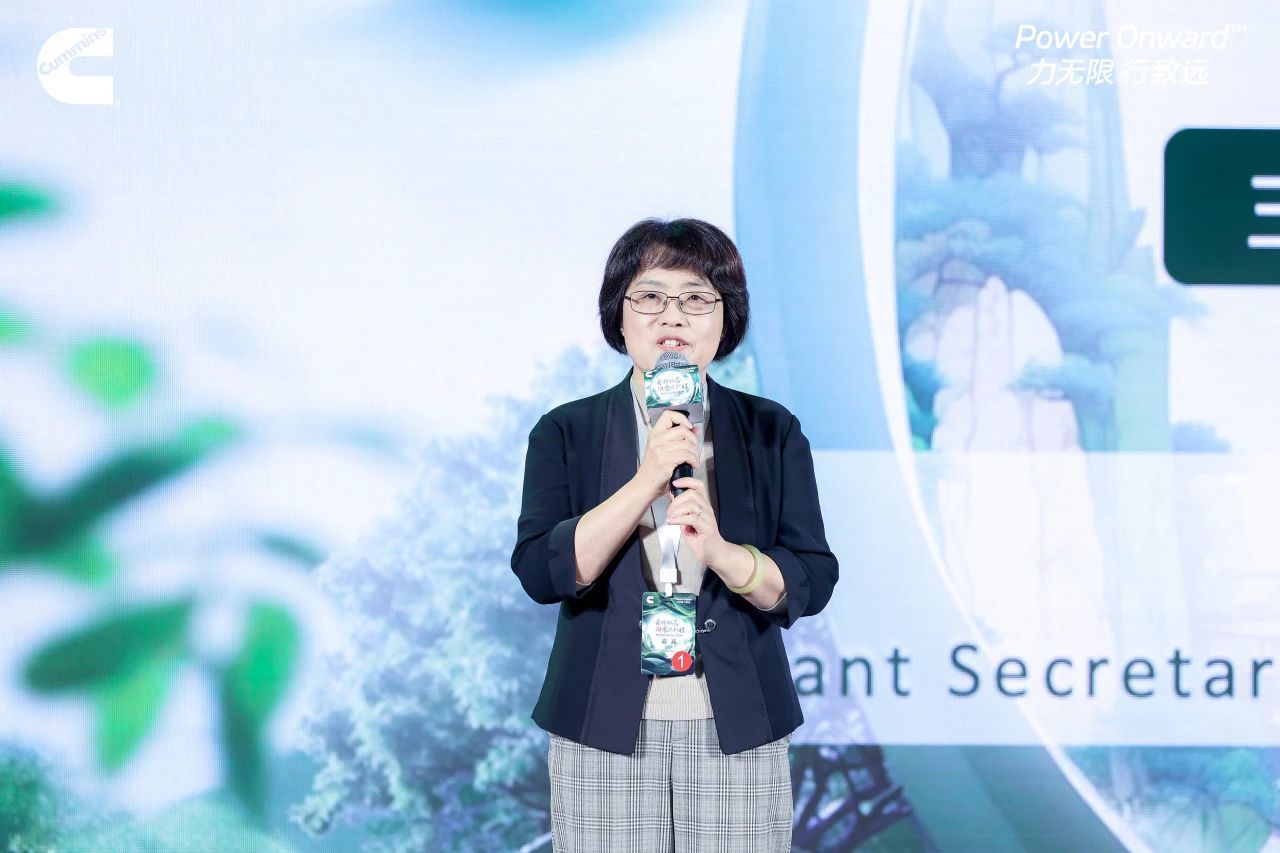
Li Caiyun, Assistant Secretary-General of the China Women's Development Foundation
In addition, Cummins also focuses on the reuse of environmentally friendly waste, such as processing used oil bottles into planters, building vertical planting racks, and growing organic vegetables to form a green circular ecosystem and promote green, low-carbon community lifestyles.

The road to zero carbon cannot be achieved without the joint participation of OEMs, end users, and upstream and downstream partners in the industrial chain. In the zero-carbon forum session, Stephen Saxby, Vice President of Cummins and Chief Technology Officer of Cummins China, together with Fu Bingfeng, Executive Vice President and Secretary-General of the China Association of Automobile Manufacturers, as well as technical leaders from Dongfeng Motor, BAIC Foton, Shacman, and North Industries, jointly discussed the future of zero-carbon development.
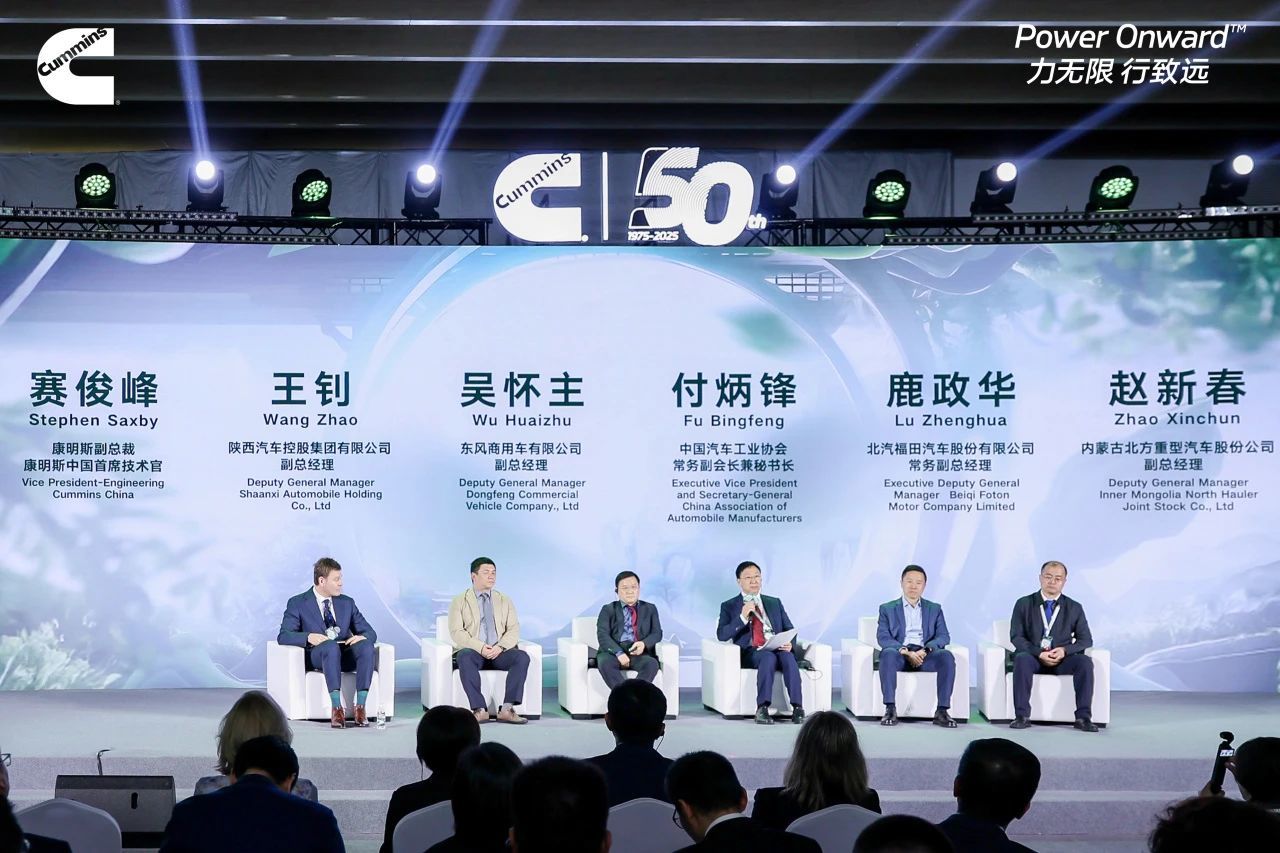
Industry experts shared the transformation journey of China's automotive industry from "trading market for technology" to independent innovation, emphasizing the key role of collaborative innovation mechanisms in industrial upgrading. Facing the dual transformation of intelligentization and low-carbonization, collaborative innovation models require closer cross-industry cooperation. As a technology pioneer, Cummins has always worked hand in hand with the industry to jointly explore the path of innovation.
Representatives of OEM partners also discussed the future outlook of decarbonization technologies. In a specially arranged zero-carbon initiative session, all participating parties jointly launched a zero-carbon initiative, calling on partners inside and outside the industry to work together, accelerate technological innovation and application, promote the green transformation of the upstream and downstream industrial chain, and jointly inject vitality into achieving the zero-carbon goal.
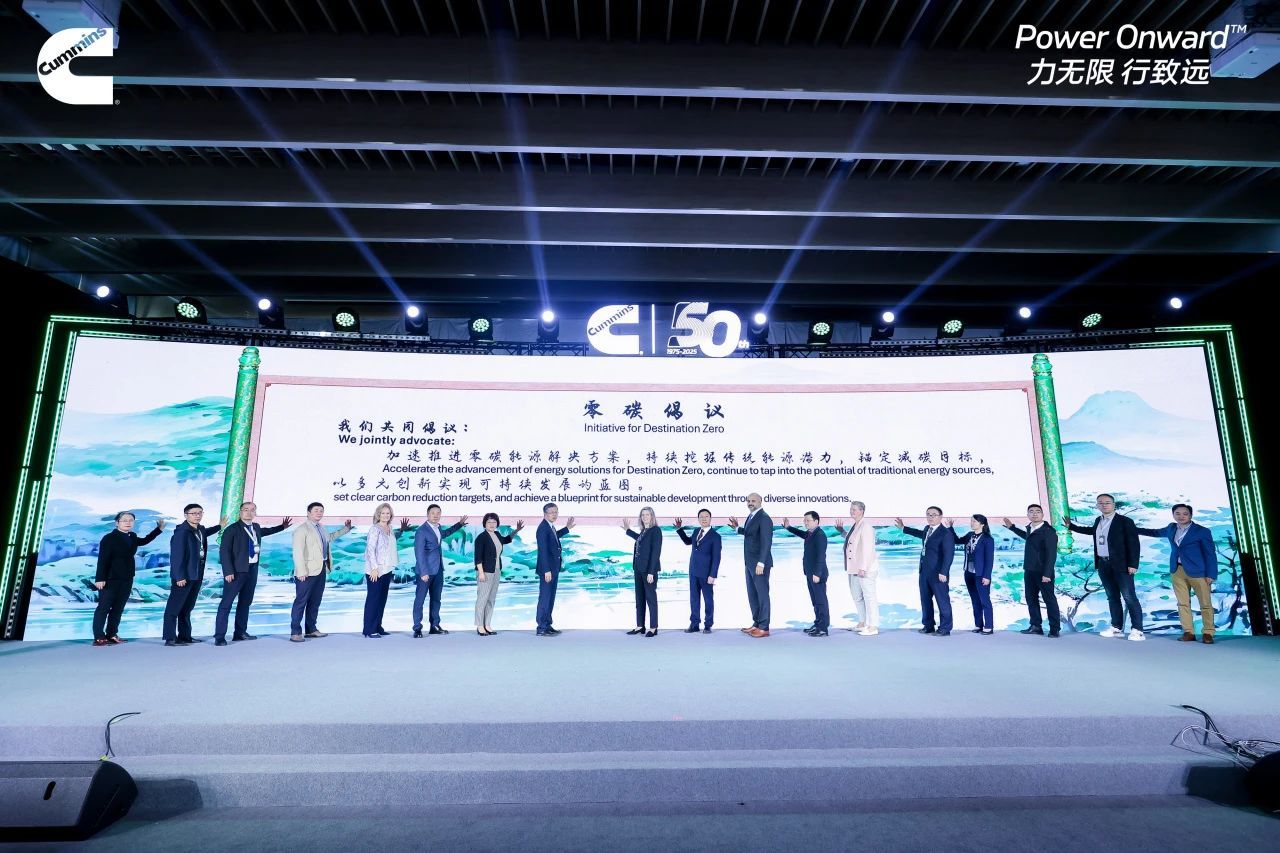

Since entering the Chinese market in 1975, Cummins has always taken innovation as its core, and with solid technological foundations, has worked with upstream and downstream partners in the industrial chain to help power upgrades across industries such as transportation, engineering infrastructure, mining, communications, and power.
Over the past half century, Cummins has witnessed the takeoff of China's economy and has been fortunate to participate deeply in it. From initial product introduction to current localized R&D and manufacturing, Cummins has achieved many innovative accomplishments in its development journey in China, including advanced power solutions, a comprehensive service network, exquisite manufacturing processes, environmentally friendly facilities, and harmonious coexistence with communities. Cummins China has become a successful case of a multinational company "in China, for China, and for the world."
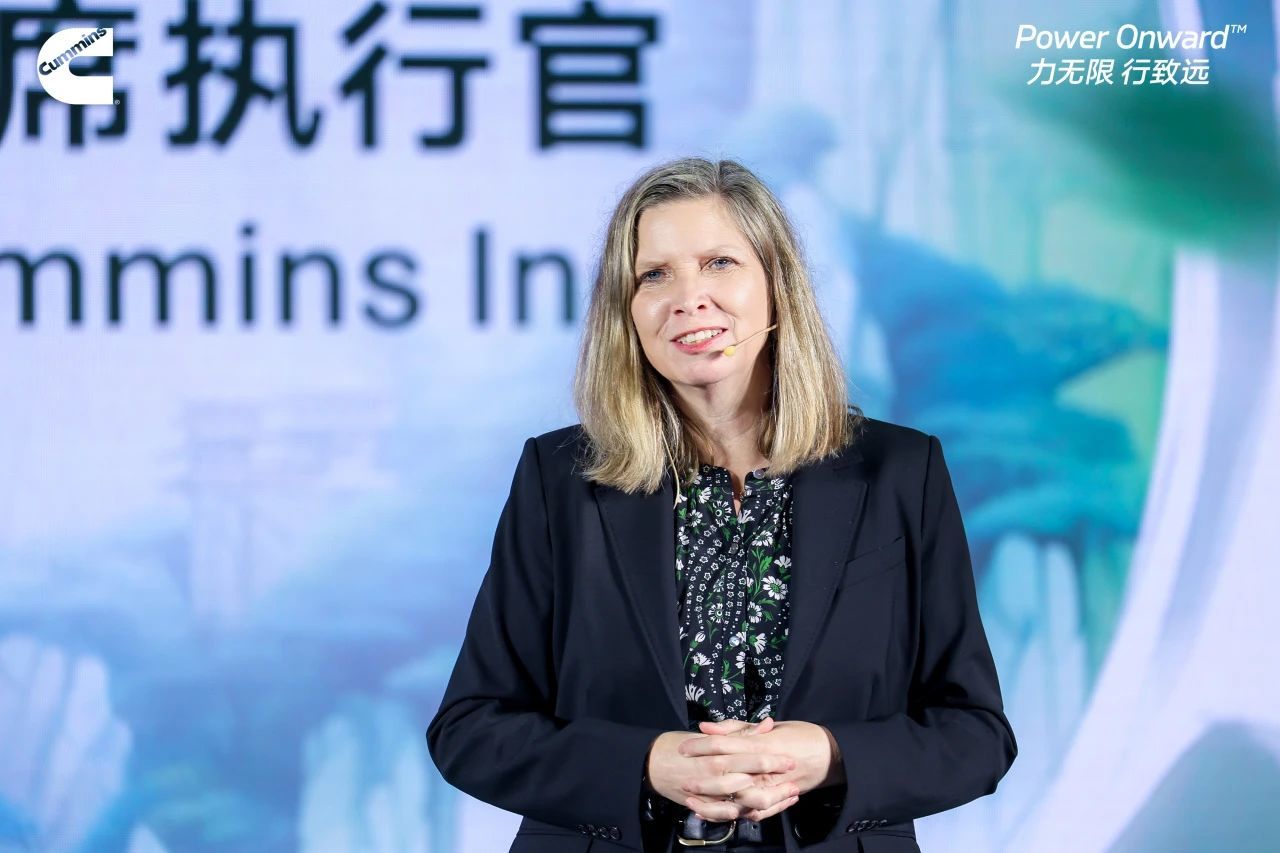
Innovation is in Cummins' DNA, and we have been actively helping Chinese users achieve technological breakthroughs and industrial upgrading. Our zero-carbon strategy aims to achieve net-zero carbon and a sustainable future, and Cummins' operations in China are making positive contributions to this goal.
— Jennifer Rumsey, Chairman and CEO of Cummins
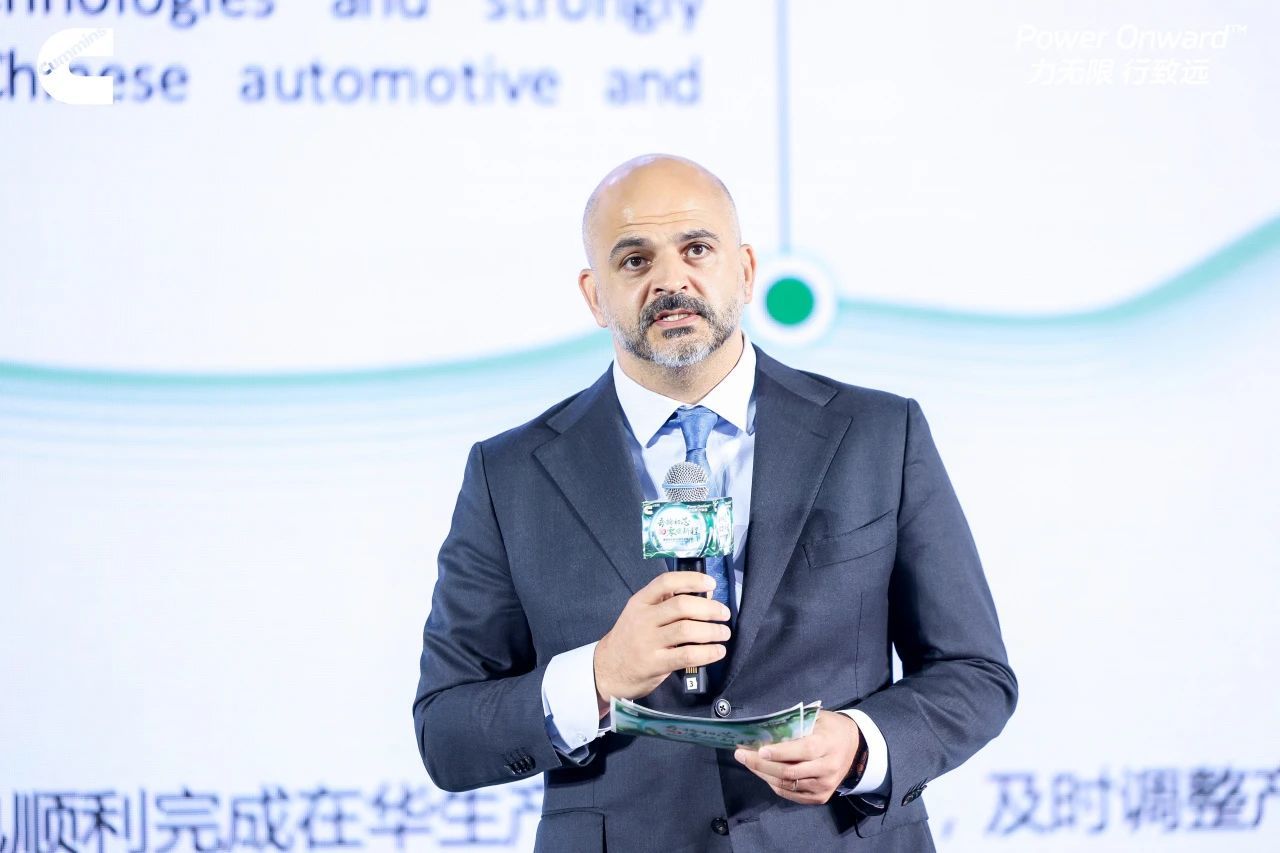
Cummins will continue to increase R&D investment in China, launch more innovative products that meet the unique needs of the Chinese market, and continuously expand green energy solutions to support China's carbon neutrality goals and contribute to global sustainable development.
— Nathan Stoner, Vice President of Cummins and Chairman of Cummins China
Shandong Lingong Electric Loaders Power "Zero-Carbon Port" Construction: Leading a New Green Logistics Ecosystem Through Technological Innovation
下一篇United Wisdom, Boundless Innovation — Heli and Huawei Jointly Unveil the "Joint Innovation · Tiangong Laboratory"

2026-09-28 1137 0
2026-09-24 10491 0

2026-09-23 10629 0
2026-09-22 10708 0

Lize City Air Terminal Underground Main Structure Nearing Completion: Maximum Transfer Walk Under 4 Minutes After Operation

Anti-seepage Curtain for Main Lock Pit of CSCEC Port Shenqiu Double-Line Lock Project Completed on Schedule

All Pile Foundations Completed on Quanzhou Baiqi Channel

Hainan Upgrades Housing and Municipal Infrastructure
First Foundation Concrete Pour Successfully Completed for Zambia Kafue West–Muzuma 330kV Transmission Line EPC Project
Hot News

评论 (0)