


Mining Dump Truck Maintenance: Electrical Fault Repair
商品详情
Mining Dump Truck Maintenance: Electrical Fault Repair
As winter arrives, Yutong Heavy Equipment's mining vehicle electrical fault repair and maintenance series is here.
Step 1: First confirm the location of the electrical fault before proceeding with disassembly and inspection. Narrow down the scope of the fault as much as possible to avoid "wasted effort" and "working in vain."
Step 2: Referring to the electrical schematic and wiring harness diagram, determine the circuit in which the fault occurs and infer the possible causes of the fault. During the fault inference process, combine it with your own previous maintenance experience.
Step 3: Use a multimeter to inspect the circuits or components where the problems are concentrated, and verify the accuracy of the inference.
Step 4: Finally, repair or replace the circuit or device. During the repair and replacement of electrical components, special reminder: be sure to disconnect the power supply.
Step 5: Verify whether the corresponding functional actions are correct after repairing or replacing the electrical components.
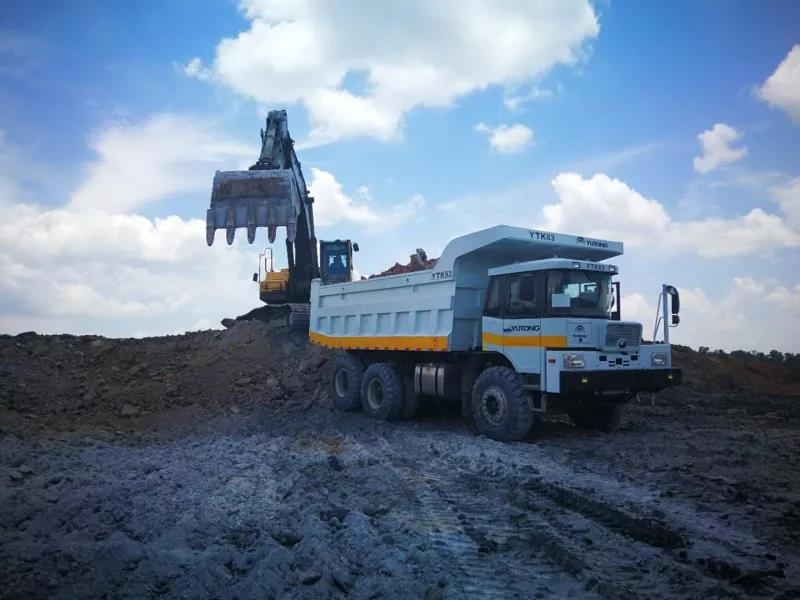
Common troubleshooting methods for electrical systems
1. Visual inspection method: Discover obvious faults through visual inspection (high temperature, smoke, sparks, short circuits, etc.) to improve troubleshooting speed.
2. Fuse inspection method: If an electrical device suddenly stops working, first check whether the fuse device on that branch has tripped. If the cause of the tripping is identified, restore the fuse device after repair.
3. Test light method: Check whether the wiring harness is open or short-circuited, and whether the electrical device has a fault.
4. Short-circuit method: Use a piece of wire to short-circuit a section of wire or an electrical device, then observe the change in the electrical appliance.
5. Substitution method: Replace the suspected component with a known good component to verify whether the suspicion is correct.
6. Simulation method: Used to judge the working conditions of various sensor signals and indicating mechanisms. This method requires familiarity with the circuit parameters of construction machinery.
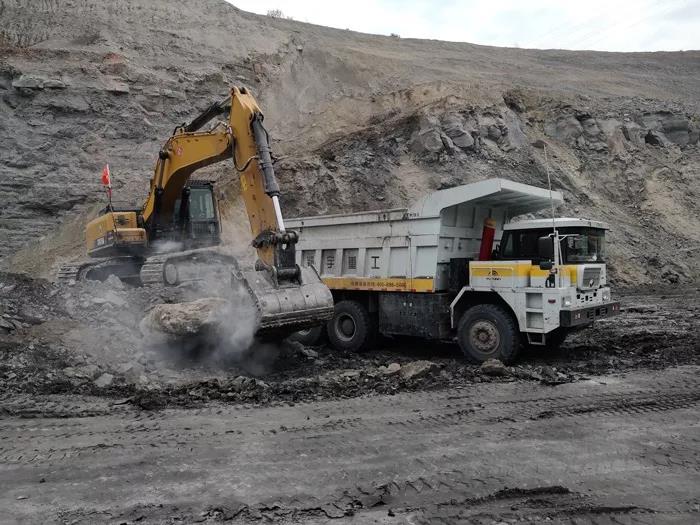
Precautions for circuit fault diagnosis and repair of mining vehicles
1. After learning of the fault phenomenon, be sure to think first and use simple methods to narrow down the fault scope. Strictly avoid repairing the circuit by randomly guessing the cause of the fault (which may expand the fault).
2. When replacing electrical components, make sure to first disconnect the manual negative main switch.
3. When removing the battery, always disconnect the negative (-) cable first; when installing the battery, always connect the negative (-) cable last. When removing or installing battery cables, make sure the ignition switch or other switches are all turned off.
4. When replacing a blown fuse, use a fuse of the same specification. Using a fuse with a higher capacity than specified may cause damage to electrical devices or cause a fire.