A "quiet" revolution is unfolding across China and the global construction machinery industry—new energy. This is no longer a fantasy confined to the concept-vehicle stage, but a real, head-to-head market contest. Zoomlion has just rolled out its 5,000th power battery pack, XCMG has built a vast "green" product matrix, and LiuGong's electric loaders have doubled their overseas sales... The giants are all revealing their "electric trump cards," signaling that the "green era" of construction machinery has fully begun.
I. More Than Just "Swapping a Battery": The Core Battleground of Technological Breakthroughs
1. Batteries: The "Super Heart" of Engineering
Safety comes first: battery packs for construction machinery must withstand "countless trials," featuring ultra-strong structural strength and thermal management systems to prevent dangers caused by impact, puncture, or overheating. The fact that Zoomlion can roll out its 5,000th self-developed battery pack is itself a testament to its technological reliability and scale-up capability. They must unleash enormous instantaneous power during operation (high power density), which places extremely high demands on battery technology.
2. Electric Drive: The "Intelligent Muscle" of Power
Electric motors have replaced traditional diesel engines and hydraulic systems as the new source of power. Electric drive systems for construction machinery must achieve precise force and speed control. For example, when an excavator bucket contacts a hard object, it must instantly adjust its output force—neither "clashing head-on" and damaging the equipment, nor compromising operational efficiency. Behind this lies complex motor control and algorithms.
3. Electronic Control: The Calm "Brain"
This is the soul of electric construction machinery. An intelligent electronic control system, like an experienced master craftsman, can automatically match the most energy-efficient and efficient power output mode according to different operating conditions. For example, XCMG's self-developed XES energy management system can intelligently allocate and optimize the vehicle's energy like a phone's power-saving mode, maximizing range.
II. Giants Draw Their Swords: Substantive Breakthroughs on the New Energy Track
Zoomlion: A Milestone in Independent Core Components
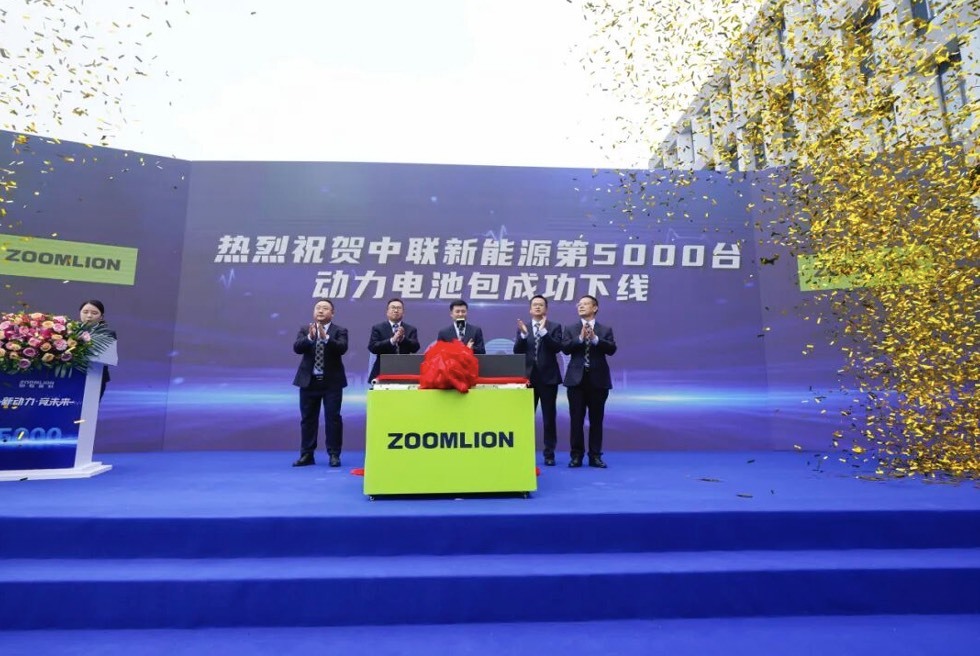
On October 17, 2025, Zoomlion's 5,000th power battery pack officially rolled off the line in Changsha. This is not only a breakthrough in production volume but also marks its completion of the full chain of "independent and controllable core components—electrification upgrade of complete machines—implementation of green construction scenarios." This battery pack, dubbed the "power heart," relies on a self-developed battery management system and boasts a cycle life 20% higher than similar products, maintaining stable performance even in extreme environments from -40°C to 60°C. In addition, Zoomlion also released an integrated solution covering the full scenarios of lithium power, electric drive, and hydrogen energy, demonstrating its leading strength in "full-stack self-developed technology and full-scenario adaptability."
XCMG: Building a Full-Scenario Green Product Matrix
XCMG, under the theme "Green Renewal, Intelligent Future," made a major appearance at the recent BICES 2025 exhibition with 35 new energy complete machines and core components. Its product line now covers road machinery, mining equipment, and many other fields, and it has launched five major scenario-based turnkey solutions tailored to different operating conditions. For example, at the Yimin mining area in Hulunbuir, Inner Mongolia, XCMG's pure electric grader GR350EP has been put into practical application; it has low energy consumption and can truly achieve zero carbon emissions. Through the dual drivers of "unmanned operation + electrification," XCMG is comprehensively transforming from an equipment manufacturer into a solution service provider.
LiuGong: Electric Products "Conquering Territory" Overseas
LiuGong has played a "pioneer" role in the electrification going global. In the first half of 2025, LiuGong's global sales of electric loaders surged 193% year on year, with its exports accounting for more than 50% of the industry's total electric loader exports, achieving significant first-mover advantages in markets such as Europe and India. At the same time, LiuGong's autonomous electric loaders have received more than 20 intent orders, with commercialization steadily advancing. The strong performance of electric products has become an important driving force behind LiuGong's impressive first-half overseas revenue of 8.523 billion yuan, accounting for nearly half of the company's total revenue.
III. Real Combat Reveals Truth: Which Scenarios Are "Electrified" First?
1. Ports and Mines: A Model of "Doing the Economic Math"
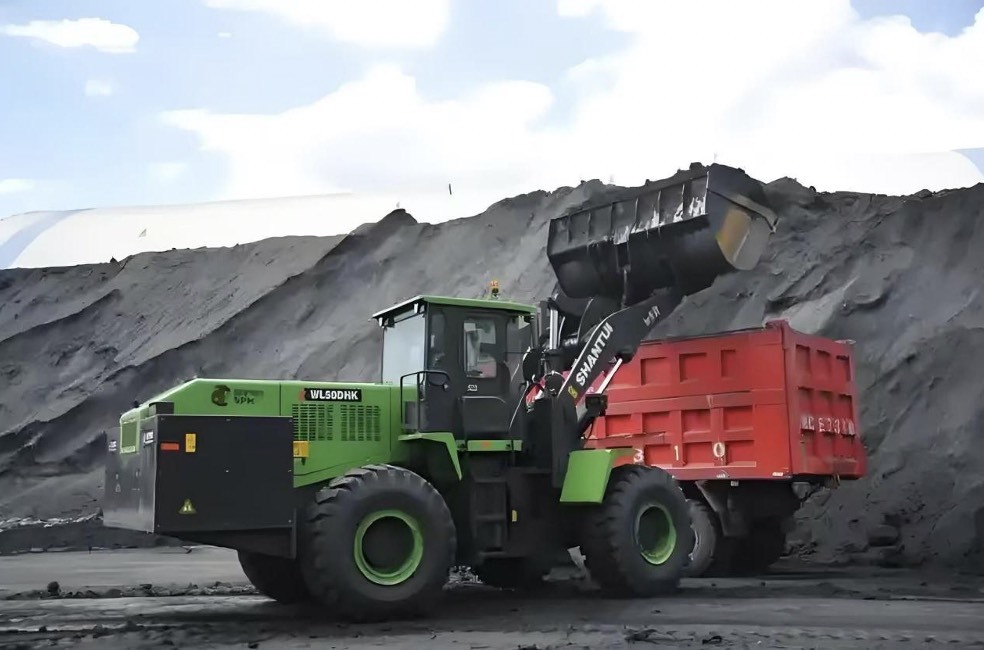
Ports and large mines are "paradises" for electric equipment. These scenarios have fixed operating areas, high work intensity, and regular patterns, making them highly suitable for building centralized charging stations. Here, the advantage of low fuel costs for electric equipment is maximized. The hot sales of LiuGong's electric loaders in overseas markets are precisely because they can genuinely save money for these "energy-hungry" users.
2. Urban Construction and Special Projects: The Rigid Demand for "Obtaining Permits"
Scenarios such as urban renewal, subway tunnel construction, and indoor renovation have strict restrictions on noise and emissions. Electric excavators and electric forklifts are almost the "only choice" here. They can not only smoothly obtain "construction permits" but also enable nighttime construction without disturbing residents, greatly improving the overall efficiency of projects.
3. Emergency Rescue: The "Silent" Power
At rescue sites such as earthquakes and fires, power outages are common. Traditional diesel equipment requires fuel transport, and noise interferes with the search by life-detection instruments. In contrast, silent electric equipment can operate on its own large-capacity battery or mobile charging vehicles, buying more precious time for the "golden 72 hours."
IV. Challenges and the Future: How Far Is the Road Ahead?
· High initial purchase cost: The price of electric equipment is still far higher than that of diesel equipment. Although it pays for itself over long-term use, the high down payment still deters many individual owners and small leasing companies.
· Incomplete charging infrastructure: The construction site environment is complex, and building stable, fast charging piles is no easy task. The problems of slow charging and long waiting times still plague users.
· Battery recycling and secondary use:
In a few years, how to handle the large number of retired construction machinery batteries is an environmental issue that must be faced.
However, the trend is irreversible. As technology continues to advance, economies of scale bring down costs, and the national "new infrastructure" initiative places ever higher demands on green construction, the "singularity moment" of electric construction machinery is accelerating. The construction site of the future will be an efficient, clean, and quiet smart place composed of "green giants."
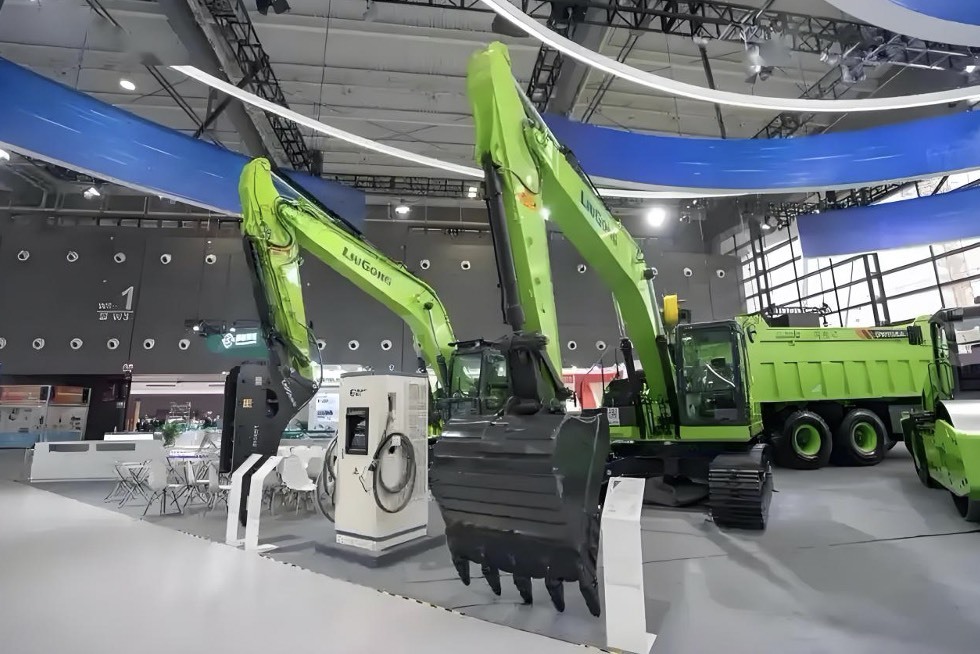
From roaring "oil guzzlers" to quiet "green giants," this energy revolution in construction machinery is not merely a simple switch of power sources, but a comprehensive reshaping from product form to business model, from construction methods to industrial ecosystem. Behind it lies the ambition of Chinese construction machinery enterprises to move from following to running abreast, and even leading on the new energy track. Next time you pass a quiet construction site, take a closer look at those busy "silent" machines—they are silently telling the future of China's intelligent manufacturing.




评论 (0)